
A luxury property can be beautifully finished, extensively upgraded, and still miss the mark if it does not align with the buyers most active in its market. What affects luxury home value is more layered than square footage, bedroom count, or even a recent renovation. At the high end, value reflects how a home performs as both a residence and a scarce lifestyle asset.
For sellers, understanding those layers leads to better preparation, pricing, and negotiation decisions. For buyers, it helps separate lasting value from features that simply make a strong first impression.
Location Still Sets the Foundation
In luxury real estate, location is not a general concept. The specific side of the street, lot orientation, proximity to a gate, and relationship to neighboring homes can materially affect value. A residence within a respected community may command a premium because of the community itself, but its individual setting determines how fully it captures that premium.
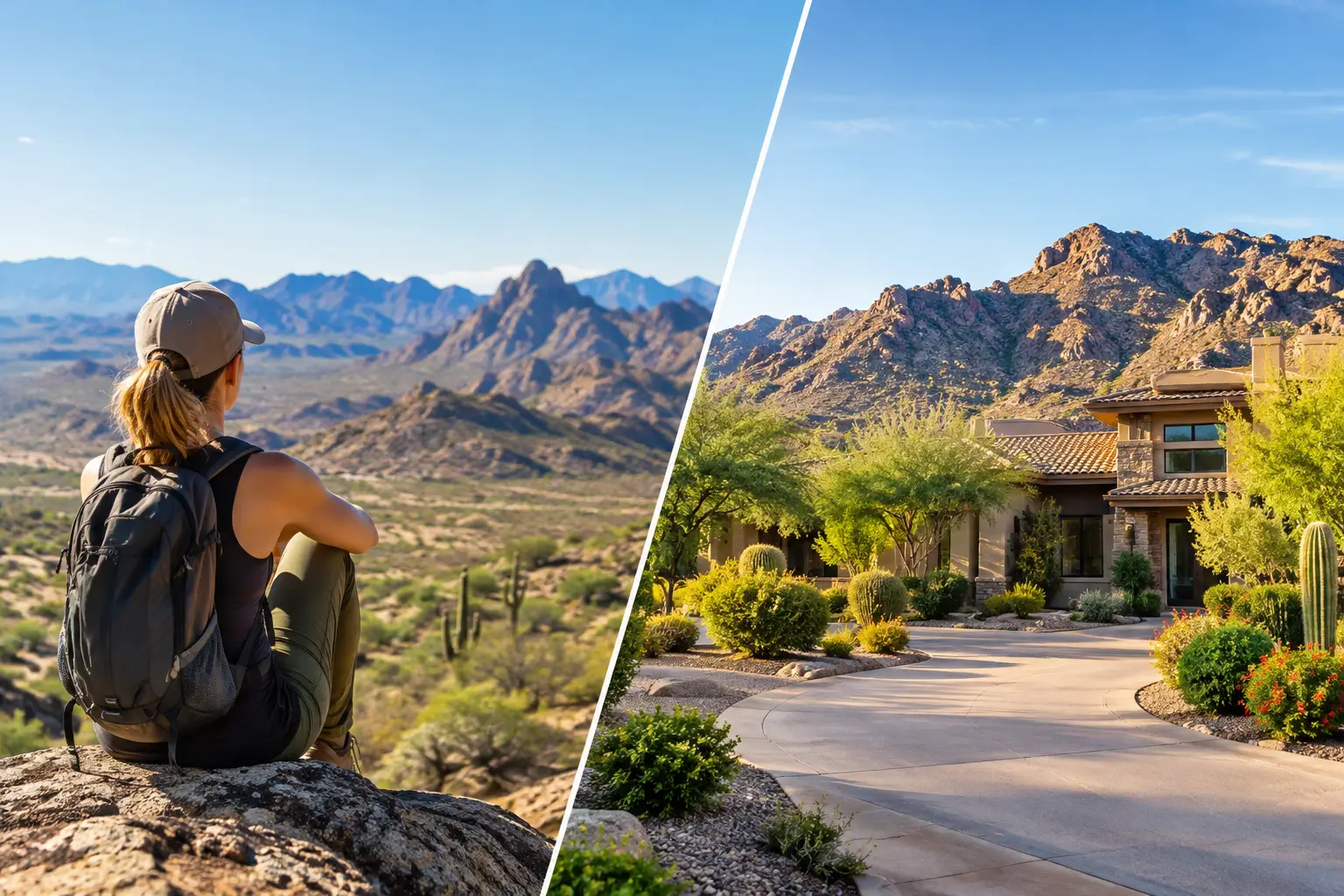
In Scottsdale and Paradise Valley, for example, unobstructed mountain views, city-light vistas, golf frontage, and a private cul-de-sac location can support higher demand. So can convenient access to private clubs, dining, and major employment centers, provided the home retains the quiet and separation luxury buyers expect.
Not every location attribute is universally positive. Golf-course frontage is highly desirable to many buyers, but some may prefer greater privacy from golfers and cart paths. A home near an active clubhouse may appeal to owners who value access and social life, while others will pay more for distance and tranquility. The right pricing strategy accounts for the likely buyer, not an assumed universal preference.
Privacy, Views, and the Lot Itself
At the upper end of the market, the land often carries as much weight as the residence. A generous lot offers possibilities that cannot be easily recreated: meaningful setbacks, mature landscaping, protected view corridors, a guest casita, a sport court, or an outdoor entertaining environment with genuine separation from neighbors.
Privacy is especially valuable when it is built into the property rather than added with walls or landscaping after the fact. Natural desert buffers, hillside placement, gated access, and thoughtful architecture can make a home feel secluded without feeling isolated.
Views require a similarly careful evaluation. A dramatic view may be a primary reason a buyer chooses one property over another, but its permanence matters. Sellers should understand whether view corridors are protected, while buyers should consider nearby vacant parcels, easements, and potential development. A view that is likely to change should not be valued the same way as a well-established panorama.
Architecture and Design That Will Endure
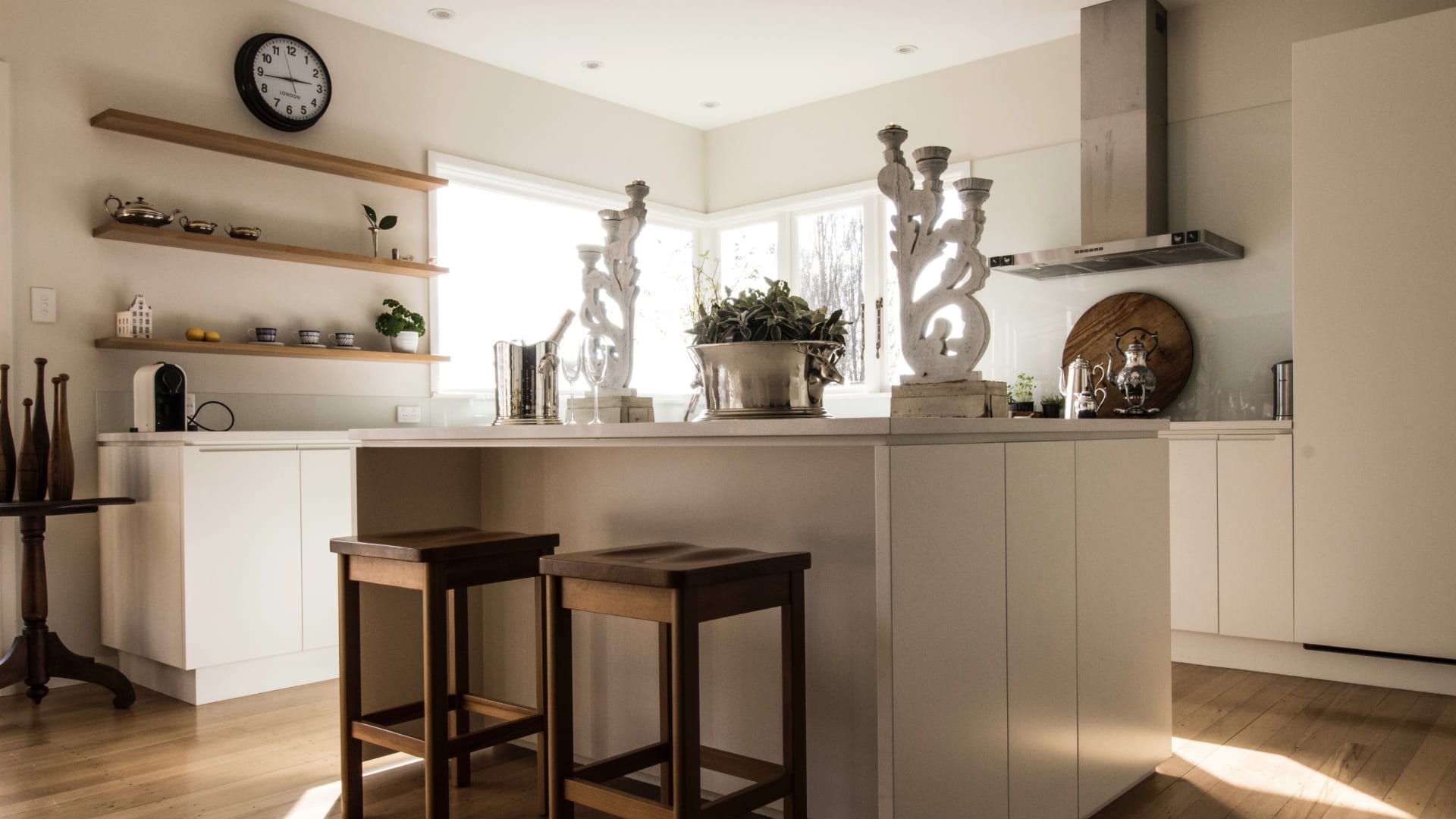
Exceptional architecture adds value when it creates a cohesive experience from arrival through the living spaces and outdoors. Buyers notice proportion, ceiling height, window placement, material quality, natural light, and the way a home sits on its site. These characteristics tend to outlast decorative trends.
Design can also narrow the buyer pool. A highly personal aesthetic may be remarkable, but it can require the right audience and more patience in the market. A home with strong architectural bones and a refined, current presentation usually attracts more qualified interest than one with expensive finishes that feel dated or overly specific.
This does not mean every luxury property should look the same. A well-executed contemporary home, a classic Mediterranean estate, and a warm modern desert retreat can each command strong value. What matters is authenticity, quality, and consistency. Buyers can sense when a renovation respects the home’s character and when it merely layers new finishes over unresolved functional issues.
Condition Is More Than Cosmetic
Luxury buyers expect a residence to feel cared for. Deferred maintenance can have an outsized effect because it introduces uncertainty about a property that is expected to offer comfort and ease from day one. Aging roofs, HVAC systems nearing the end of their service life, drainage concerns, worn pool equipment, and neglected landscaping can affect both the price buyers are willing to pay and the tone of inspection negotiations.
A thoughtful pre-listing review gives sellers time to address material issues on their terms. Documentation is valuable as well. Service records, warranties, permits, utility information, and receipts for significant upgrades help buyers understand the stewardship behind the property.
Cosmetic updates should be considered carefully. Replacing every finish before selling is not always the best return on investment. A clean, well-staged home with fresh paint, appropriate lighting, polished landscaping, and repaired details may perform better than an expensive renovation that does not fit the neighborhood or the likely buyer profile.
Amenities Must Match the Lifestyle Promise
Resort-style amenities help define luxury value, particularly in Arizona, where outdoor living is part of everyday life for much of the year. A well-designed pool and spa, shaded patios, outdoor kitchen, fire feature, putting green, fitness room, wine storage, guest quarters, and smart-home systems can all strengthen a property’s appeal.
The key is execution. An outdoor kitchen that is integrated with the home’s entertaining spaces has more impact than one added without shade, seating, or circulation. A detached casita with privacy and a full bath serves a different purpose than a small guest room. A home theater, gym, or collector garage can be decisive for a specific buyer, but may not return its full installation cost if it consumes space that most buyers would use differently.
Community amenities also influence value. Guard-gated access, club memberships, trail access, golf, tennis, wellness facilities, and a strong community reputation can add meaningful appeal. Buyers should distinguish between included amenities, optional memberships, and recurring fees, since the ongoing cost is part of the ownership decision.
Floor Plan, Function, and Daily Ease
Square footage matters, but usable square footage matters more. Luxury buyers often look for a primary suite with privacy, generous kitchens connected to gathering spaces, flexible rooms for work or fitness, well-positioned guest suites, and practical storage. A home can be large on paper yet feel constrained if its circulation is awkward or its principal rooms do not relate well to outdoor areas.
Current demand also favors adaptability. Relocating executives may need a dedicated office. Multigenerational households may prioritize a separate wing or casita. Seasonal owners may value low-maintenance materials and reliable home automation. These needs vary, but homes that accommodate them without compromise generally have broader appeal.
Market Position and Comparable Sales
A property’s value is ultimately tested against what informed buyers can purchase instead. This is why comparable sales remain essential, even for distinctive estates with no exact match. The best analysis considers recent closed sales, current competing listings, withdrawn properties, lot quality, condition, and the price range where buyer activity is strongest.
In a changing market, a sale from six months ago may be informative but not decisive. Interest rates, inventory levels, seasonal demand, and relocation patterns can shift negotiating leverage. A luxury home may also take longer to sell simply because its qualified buyer pool is smaller. Time on market is not automatically a sign of weakness, but it becomes relevant when a property is priced above its competitive set without a clear reason.
Presentation Influences Perceived Value
Presentation does not create intrinsic value, but it determines whether buyers recognize it. In the luxury segment, photography, video, floor plans, property details, and showing readiness should communicate the full experience of the home. A buyer considering an estate remotely needs enough information to decide whether a private showing is worth the trip.
For an in-person visit, details matter: a clean approach, operating systems, comfortable temperature, well-maintained outdoor spaces, and a home that feels calm rather than overfilled. Discretion matters too. The marketing plan should create qualified exposure while respecting the privacy of the seller and the property.
Appraisal, Financing, and the Strength of the Offer
Luxury value is not always neatly reflected in an appraisal, particularly for architecturally distinct homes or properties with rare lots. Cash buyers may have more flexibility, while financed buyers must still satisfy lender requirements. The strongest offer is therefore not always the highest number. Financing terms, appraisal protections, inspection contingencies, timing, and the buyer’s ability to close all affect the practical value of an offer.
Sellers benefit from reviewing these terms as carefully as the purchase price. Buyers benefit from presenting a clear, well-supported offer that reflects the property’s specific advantages rather than relying only on broad market averages.
The right next step is not to chase every feature that appears expensive. It is to evaluate which qualities are truly scarce, well executed, and meaningful to the buyers who will compete for the home. That is where careful local guidance protects both value and peace of mind.