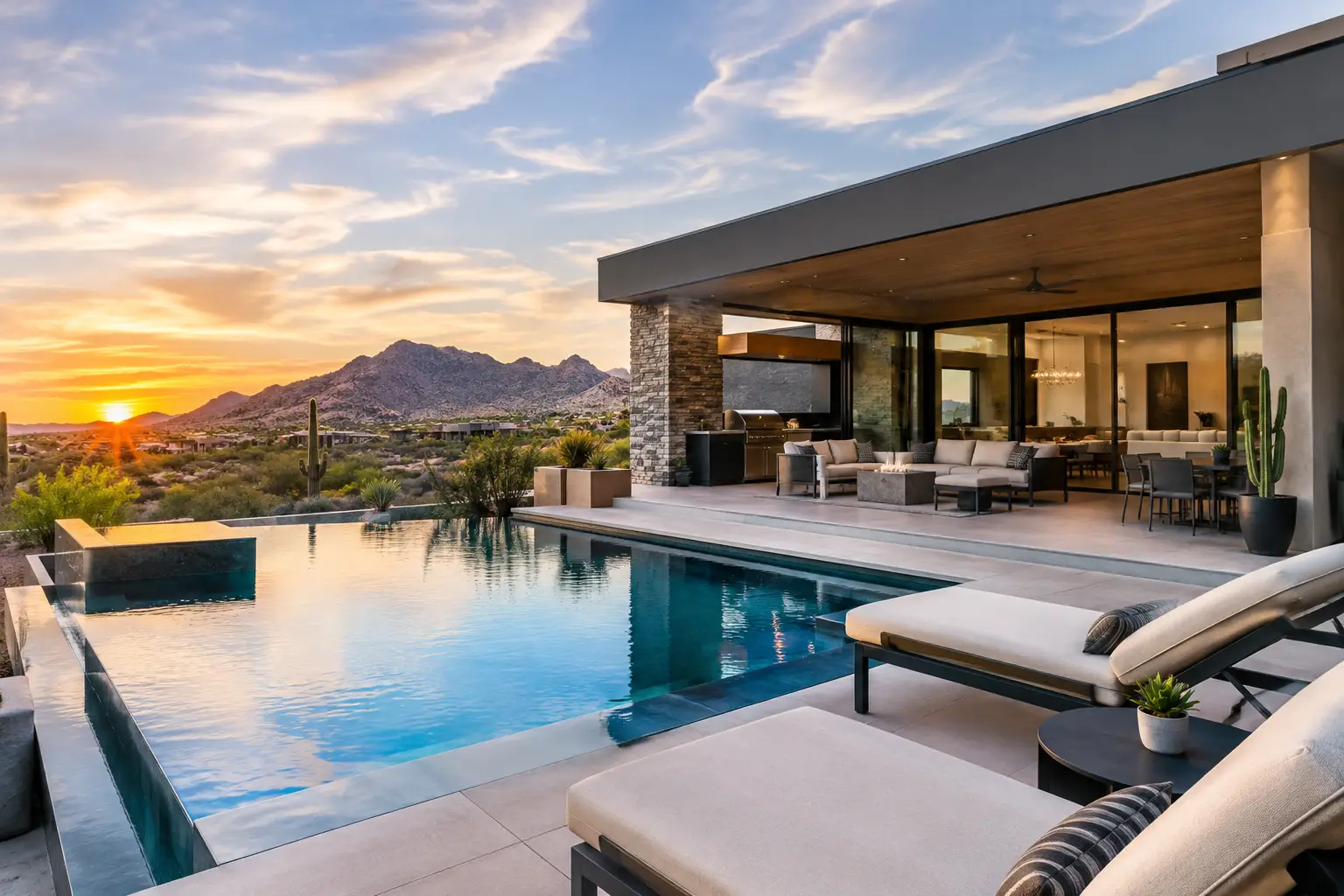
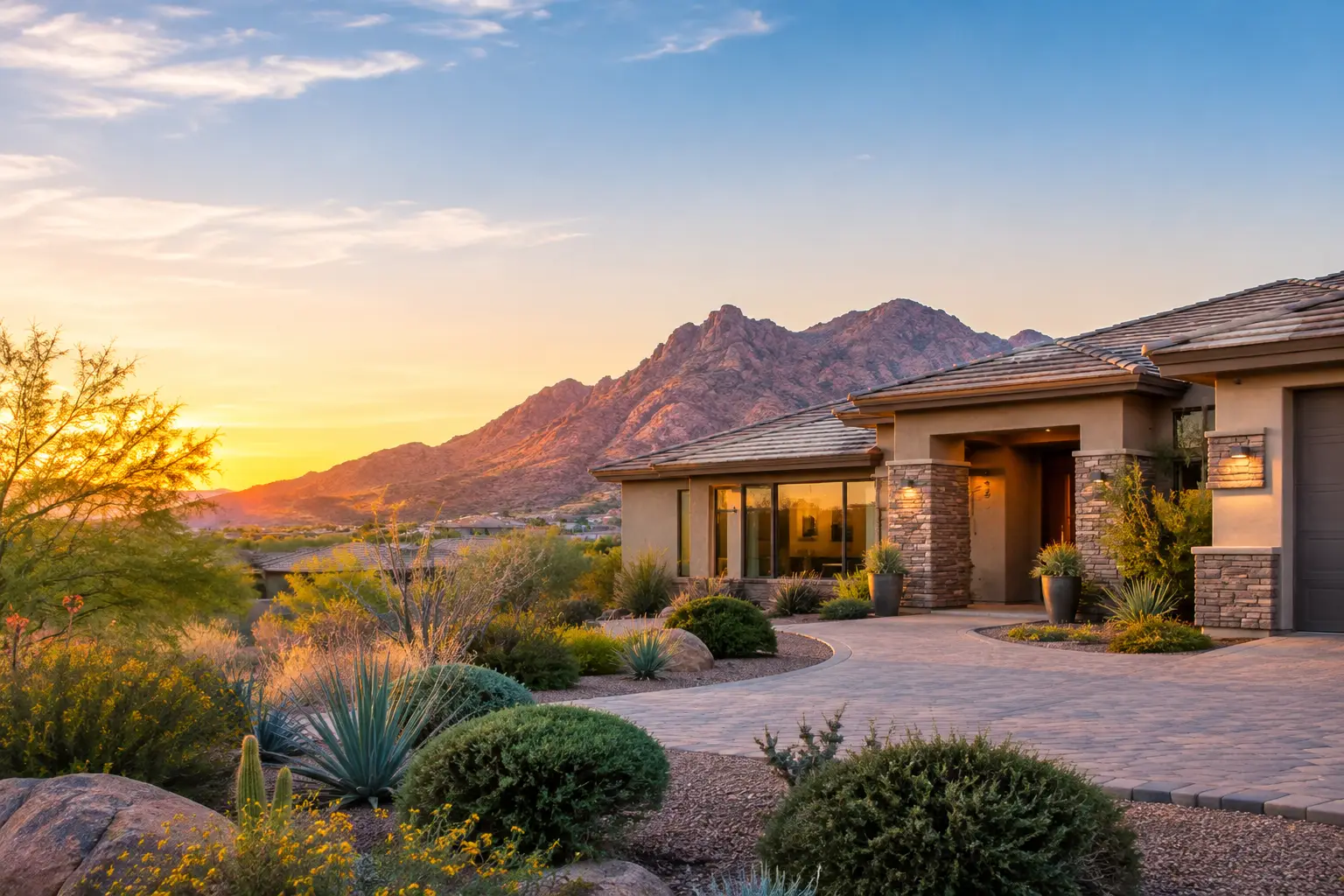
A mountain view can change the way a home feels from the moment you arrive. In Scottsdale and the surrounding Northeast Valley, it may mean the McDowell Mountains framed beyond an infinity-edge pool, a close-range view of Pinnacle Peak, or a dramatic desert ridgeline visible from a private primary suite. This mountain view home guide is designed to help buyers look past a beautiful first impression and evaluate the factors that protect both daily enjoyment and long-term value.
The right view property is not simply the home with the largest panorama. It is the home where orientation, privacy, architecture, access, and neighborhood context work together. That distinction matters when you are making a significant investment.
What Makes a Mountain View Home Valuable?
A premium view is rarely just about what you can see. It is about how the view is experienced throughout the property. A home may have a striking mountain backdrop from the great room but limited visibility from the outdoor living areas. Another may offer a slightly more distant view, yet provide it from the kitchen, primary bedroom, pool, and guest spaces every day.
The most compelling homes create intentional sightlines. Window placement, ceiling height, patio depth, landscaping, and the position of a pool or fire feature all influence whether a mountain view becomes part of the home’s lifestyle or remains an attractive detail visible only from one room.
In communities such as Silverleaf, DC Ranch, Troon, Desert Highlands, Estancia, and Whisper Rock, views can vary significantly from one street to the next. Elevation, lot position, wash corridors, adjacent rooftops, and mature vegetation often matter as much as the community name. A well-located home can command a meaningful premium, but the premium should reflect the quality and durability of the actual view, not simply the word “mountain” in a listing description.
The Mountain View Home Guide: Look Beyond the Main Window
During a showing, take time to experience the home as you would live in it. Stand in the primary suite. Sit at the outdoor dining table. Walk to the edge of the pool. Look from the office, guest casita, and kitchen. A view that appears exceptional from the living room may disappear when you are enjoying morning coffee or hosting an evening gathering.
Light is equally important. South- and west-facing exposures can deliver exceptional mountain views and memorable sunsets, but they may also bring stronger afternoon heat and glare. Deep overhangs, covered patios, automated shades, quality glazing, and thoughtful landscaping can make a substantial difference. In a desert luxury home, comfort outdoors is part of the value equation.
Visit the property at more than one time of day when possible. Morning light can reveal a softer, more private setting, while late afternoon may show whether direct sun limits the use of a terrace or pool deck. If the property is being considered as a seasonal residence, assess it during the months when you expect to use it most.
Protecting the View Requires Due Diligence
No buyer should assume a view is permanently protected because it feels open today. The parcel beyond the backyard could be common area, a golf course, a wash, private land, or land subject to future development. Each scenario carries different implications.
Review the plat map, surrounding parcels, zoning, and any available development plans. If the home borders a golf course, understand the club’s plans for landscaping, course changes, or nearby improvements. If it backs to desert open space, determine who owns and maintains that land. In a gated community, HOA rules and architectural guidelines may help preserve neighborhood character, though they do not guarantee that every sightline will remain unchanged.
This is also where experienced local representation is valuable. A careful review can identify questions that are easy to miss during an emotional first showing: Is a neighboring lot buildable? Are there height restrictions? Is a future road planned nearby? Could landscaping on an adjacent property eventually screen the view?
A property with a protected view corridor may justify a stronger purchase price than one with a similar current view but a less certain future. The goal is not to eliminate every variable. It is to understand what you are paying for.
Privacy and Proximity Must Be Balanced
Close-up mountain settings can feel dramatic and secluded, particularly in the foothills of North Scottsdale, Carefree, Cave Creek, and Paradise Valley. Yet proximity to a hillside can also create practical considerations. Natural washes, wildlife activity, road access, fire mitigation requirements, and lot topography may affect maintenance, insurance considerations, and future improvements.
Privacy deserves the same level of attention as the view. A home may overlook a mountain preserve while still have direct lines of sight into neighboring patios or second-story windows. Conversely, a property set slightly lower or behind mature desert landscaping may offer a more private outdoor experience without sacrificing the mountain backdrop.
For many buyers, the ideal setting combines a view across open space with enough separation from neighboring homes to make the pool, terrace, and outdoor kitchen feel genuinely personal. This is particularly important for clients who entertain frequently or want a quiet retreat from a demanding professional schedule.
Consider the Architecture, Not Just the Lot
A home designed for its site will generally age better than a home that merely happens to face a mountain. Look for architecture that frames the landscape without overexposing the interior to heat or glare. Retractable glass walls, shaded courtyards, elevated patios, and carefully positioned living spaces can create a strong connection to the desert while preserving comfort.
In older luxury homes, assess whether the view experience could be improved through updates to windows, landscaping, lighting, or outdoor amenities. In a newer contemporary residence, review whether the extensive glass is supported by high-quality materials and efficient systems. A spectacular wall of glass should not come at the expense of practical climate control or privacy.
The same principle applies to landscaping. Mature trees can soften a home and create privacy, but they can also gradually obscure a view. Native plantings are often well suited to the setting, though every design should be evaluated for ongoing maintenance, irrigation needs, and the balance between framing the landscape and blocking it.
Price the View With Discipline
Mountain-view properties are emotional purchases, and that is understandable. The most memorable homes are often memorable because of their setting. Still, a disciplined value analysis is essential.
Comparable sales should be selected with attention to view quality, lot orientation, elevation, usable outdoor space, condition, and community amenities. Two homes with similar square footage can have materially different market positions if one overlooks rooftops and the other opens to protected desert or a dramatic mountain range.
It also depends on your intended use. A buyer seeking a primary residence may place greater weight on privacy, daily convenience, and proximity to golf, dining, schools, or Scottsdale Airport. A seasonal buyer may prioritize lock-and-leave ease, views from key entertaining spaces, and a community with strong security and maintenance standards. Investors should consider the narrower buyer pool that can accompany highly customized homes, even when the location is exceptional.
For sellers, the strongest marketing approach does more than label a property as “mountain view.” It demonstrates the setting through well-timed photography, precise descriptions of sightlines, and a clear presentation of the outdoor lifestyle. Buyers should be able to understand what makes the view special before they arrive, then feel that the home delivers on that promise in person.
Questions to Ask Before You Make an Offer
Before moving forward, ask how the view changes by season and time of day, what land lies beyond the property, and whether any nearby parcels remain undeveloped. Confirm HOA design rules, review survey and title materials, and understand who maintains adjacent open space, washes, or landscaping.
Also ask practical questions about access. A hillside estate or guard-gated community can offer remarkable privacy, but travel times, road grades, guest access, and service logistics should suit your lifestyle. The best view is less compelling if the home does not support how you want to live.
A mountain-view purchase deserves both enthusiasm and careful scrutiny. When the setting, architecture, privacy, and future outlook align, the result is more than a striking address. It is a home that continues to reward you every time you look out the window.