
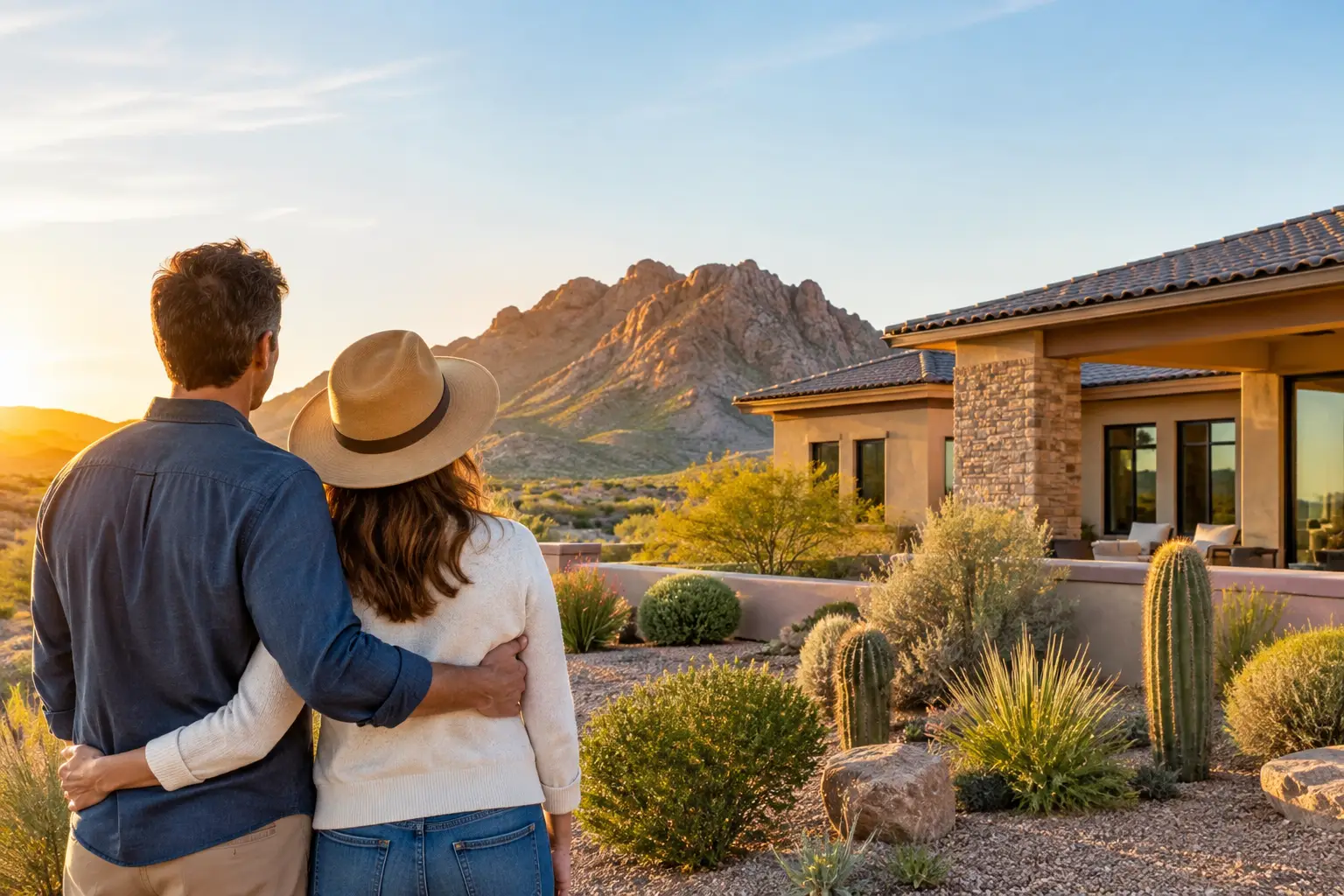
A second home should make your life easier the moment you arrive. It should be a place where family gathers, winter schedules feel lighter, and your time in Arizona feels intentional rather than improvised. This second home ownership guide is designed for buyers who want the enjoyment of a Scottsdale-area retreat without underestimating the financial, operational, and lifestyle decisions behind it.
For many luxury buyers, the home itself is only one part of the equation. The right community, airport access, privacy, lock-and-leave convenience, property management needs, and long-term resale position can matter just as much as square footage or a view. A thoughtful purchase begins by defining how the residence will serve you when you are here and how it will be cared for when you are not.
Start With the Life You Want to Live There
Before reviewing listings, decide what a successful second-home experience looks like. Some buyers want a low-maintenance home near dining, golf, and cultural amenities. Others are looking for acreage, architectural distinction, and meaningful separation from a primary residence. These are very different searches, even when the budget is similar.
Consider how often you expect to visit and who will use the property. A couple spending several winter months in Arizona may prioritize single-level living, proximity to medical services, and a nearby social network. A family that visits during school breaks may need guest suites, flexible gathering spaces, a pool, and easy access to activities. If the home will also host clients, colleagues, or extended family, privacy and the flow between entertaining areas become more consequential.
In Scottsdale and the Northeast Valley, location changes the ownership experience. A home in Silverleaf, DC Ranch, or Windgate Ranch may appeal to buyers seeking established community infrastructure and a polished residential environment. Troon, Desert Highlands, Estancia, and Whisper Rock can offer a different combination of golf, dramatic topography, and privacy. Paradise Valley, Carefree, and Cave Creek each carry their own rhythm, lot characteristics, and access considerations. The best fit is not necessarily the most recognizable address. It is the setting that supports the way you plan to spend your time.
Build a Complete Second-Home Budget
The purchase price is the visible number. The carrying cost is the number that determines whether ownership remains comfortable year after year. In addition to a down payment and closing costs, plan for property taxes, homeowners association dues, insurance, utilities, pool and landscape service, security, repairs, and periodic furnishing or design updates.
Luxury desert homes may also have expenses tied to their scale and systems. Larger pools, sophisticated smart-home technology, guest casitas, gates, water features, and extensive landscaping require regular attention. Homes on larger lots or in more remote settings can involve higher maintenance and service coordination. A newer, lock-and-leave property may reduce immediate maintenance, but it may come with higher association dues or more restrictive design and rental rules.
Financing deserves early attention as well. Loan programs for second homes can differ from those for primary residences, particularly regarding down payment expectations, reserve requirements, and interest rates. Buyers who intend to purchase with cash still benefit from a clear liquidity plan, especially when renovations, furnishings, or a future investment opportunity are part of the larger picture.
Tax treatment is another area where assumptions can be costly. Rules around mortgage interest, property tax deductions, residency, and rental income depend on your circumstances and can change. A qualified tax professional and financial advisor should review the purchase structure before you write an offer, not after closing.
Choose Between Lock-and-Leave and Estate-Scale Living
There is no universally better second home. There is only a better match for your level of involvement.
A condominium, townhome, or guarded-gate residence may offer simplicity when you travel frequently. Exterior maintenance may be handled through the association, and a smaller footprint can make it easier to leave for months at a time. The trade-off can be less land, closer neighbors, association oversight, and limitations on changes to the exterior or landscape.
An estate-scale property can deliver privacy, views, generous indoor-outdoor living, and room for family or staff. It can also require a more active ownership plan. Consider who will inspect the residence after storms, monitor climate systems during the summer, manage vendors, and address an unexpected leak or irrigation issue. The right team can make estate ownership feel manageable, but it should be established before closing.
For some buyers, a home with a guest house or detached casita creates useful flexibility. It can accommodate family, a caretaker, or visiting friends without compromising privacy in the main residence. Still, additional structures add maintenance, insurance considerations, and sometimes permitting questions. Verify the legal status, utility setup, and intended use of every improvement during due diligence.
Evaluate the Home When You Are Not There
A primary residence is judged by daily convenience. A second home must also perform well in your absence.
During property tours, look beyond finishes and views. Ask how the home handles summer heat, whether the HVAC systems are properly zoned and maintained, and what monitoring technology is installed. Confirm the age and condition of roofs, pool equipment, irrigation lines, water heaters, security systems, and automated shades. In Arizona, a home that sits unattended without appropriate oversight can develop small issues that become expensive ones.
Insurance availability and coverage deserve particular care. Wildfire exposure, flood zones, roof age, prior claims, vacant-home provisions, and replacement-cost requirements can affect premiums and insurability. Do not wait until the final days of escrow to learn that the coverage you expected is unavailable or materially different from your estimate.
A comprehensive inspection is essential, but it should be tailored to the property. Depending on the home, that may include roof, pool, sewer, HVAC, pest, drainage, and specialized system inspections. For a luxury residence, the inspection period is also the time to evaluate service records, warranties, permits, and disclosures. The goal is not to find a flawless home. It is to understand the home clearly enough to negotiate intelligently and plan ownership with confidence.
Understand Rental Rules Before You Need Them
Some second-home buyers want the option to rent occasionally when they are away. Others want a community where short-term rental activity is limited in order to preserve a quieter environment. Both preferences are valid, but they lead to different property choices.
Do not assume that a home can be rented simply because nearby homes appear to be rentals. Municipal requirements, HOA rules, minimum lease terms, occupancy limits, and licensing obligations can vary. Communities may amend their rules, and some luxury enclaves have restrictions that make a property unsuitable for a rental strategy.
If rental income is central to your decision, underwrite it conservatively. Account for management fees, cleaning, furnishings, insurance, vacancy, repairs, and local compliance costs. If it is only a future possibility, choose a home you will be happy to own even if rental use is never available. A residence purchased primarily for personal enjoyment should stand on its own financially.
Make the Offer With Resale in Mind
A second home is personal, but resale is still part of the decision. Homes with enduring appeal tend to have a compelling location, functional floor plan, strong indoor-outdoor living, appropriate privacy, and a condition level that does not require immediate major investment. View corridors, street presence, lot orientation, and community reputation can influence future demand as much as a designer kitchen.
Avoid treating a luxury market as one uniform category. A property in a golf community, a hillside estate, and a newer gated neighborhood may attract different buyer pools and respond differently to market shifts. Comparable sales should reflect the specific property type, condition, location, and amenities rather than simply the same ZIP code.
The offer itself should protect your ability to investigate. Price matters, but so do inspection rights, appraisal considerations, timing, seller disclosures, included furnishings, and the treatment of repairs. A disciplined strategy can be particularly valuable when competition is strong or when a distinctive property has few true comparables.
A Second Home Ownership Guide for a Confident Purchase
The most rewarding second-home purchases are rarely impulsive. They are well aligned with the owner’s routines, financial priorities, and expectations for service. When you understand the full cost of ownership and the practical realities of caring for a home from afar, you can focus on the part that matters most: choosing a residence that gives your family more freedom to enjoy Arizona on your terms.
Before committing, spend time in the area at the hours and seasons that resemble your actual use. Drive the routes you will take to the airport, dinner, golf, and everyday errands. Notice the light, traffic, privacy, and pace. A second home should feel like an invitation to return, not another obligation waiting on your calendar.