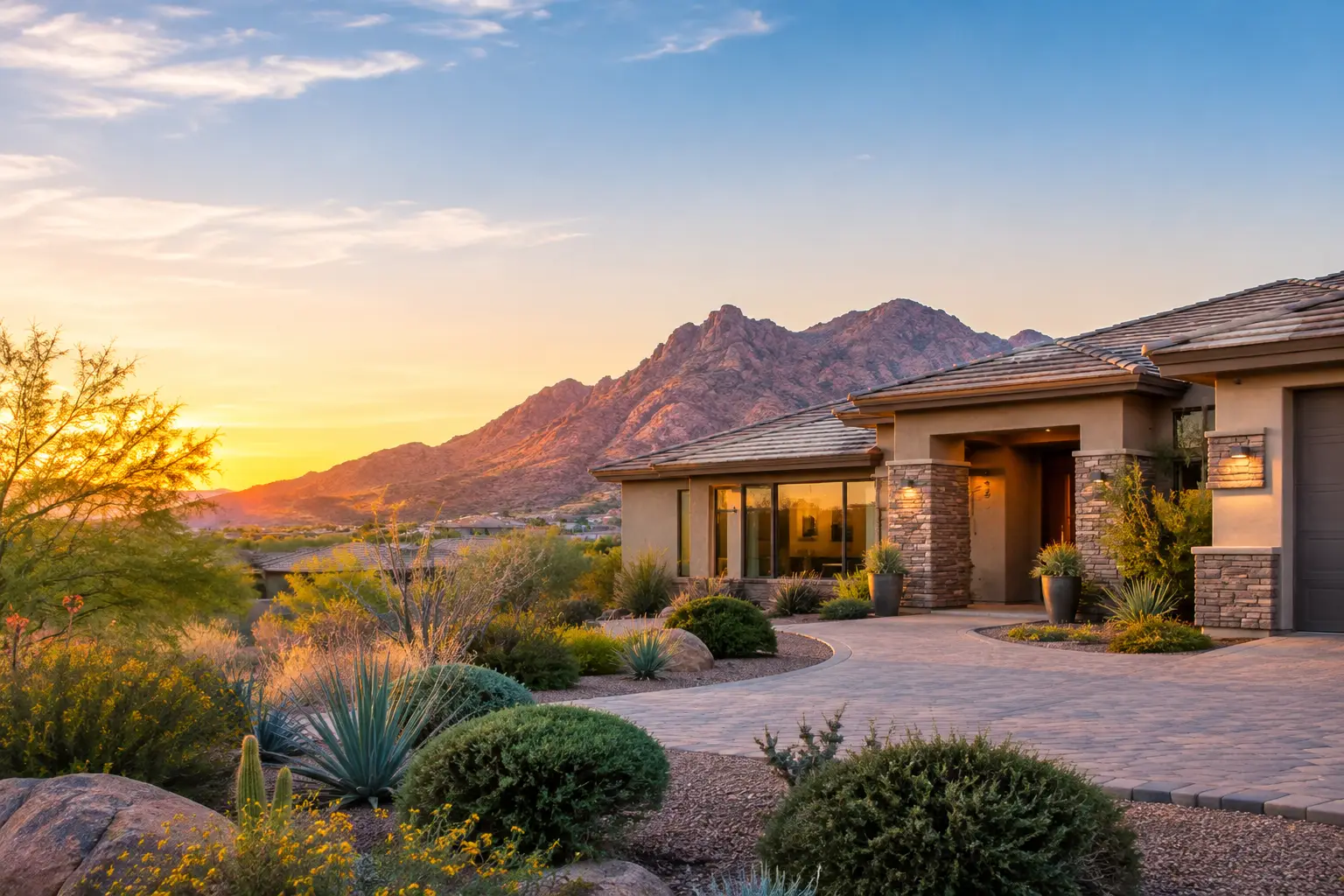

A home in Carefree can feel wonderfully removed from the pace of the Valley while remaining close to Scottsdale’s dining, golf, private aviation options, and everyday conveniences. That combination is precisely why a Carefree luxury property guide should begin with more than square footage and views. At this level of the market, the right purchase is a careful match between setting, construction quality, privacy, ownership costs, and the way you intend to live.
Carefree offers a distinctive expression of Sonoran Desert luxury. You will find custom estates on generous homesites, gated communities, golf-oriented properties, hillside residences, and lock-and-leave homes designed for seasonal use. The choices are meaningful, but they are not interchangeable. A dramatic view corridor may come with a steep driveway. A larger parcel may provide privacy while requiring more landscape and pool oversight. Knowing where those trade-offs matter helps you buy confidently.
What Defines a Carefree Luxury Property?
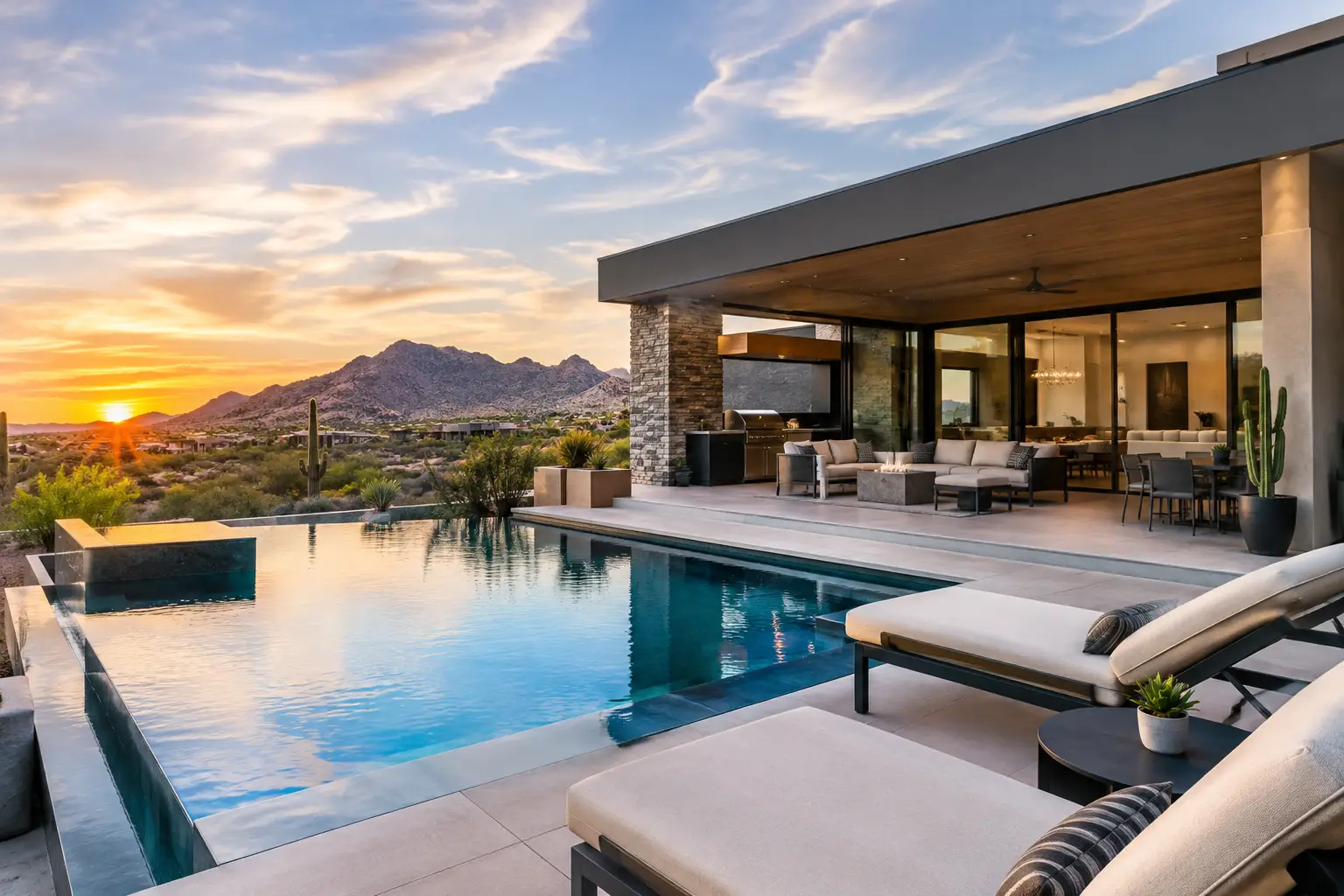
Luxury in Carefree is often less about a single architectural style and more about land, orientation, and the quality of the indoor-outdoor experience. Properties may feature expansive patios, negative-edge pools, guest casitas, wine rooms, outdoor kitchens, multi-car garages, and walls of glass that frame mountain, golf course, or city-light views.
The most compelling homes create privacy without feeling isolated. They place living areas toward protected outdoor spaces, use mature desert landscaping to soften lot lines, and take advantage of Arizona’s long outdoor season. For buyers relocating from denser markets, this sense of space is often a central reason to choose Carefree over a more urban luxury address.
Age also deserves attention. Carefree has a strong inventory of custom homes built across several decades, alongside carefully renovated properties and newer construction. An older home with exceptional bones, a prime lot, and thoughtful updates can be more compelling than a newer home on a compromised site. Conversely, a recently completed residence may offer current systems, energy performance, and a more turnkey ownership experience. The better choice depends on your appetite for projects, your timeline, and how long you expect to own the property.
Start With the Lifestyle, Not the Listing
Before scheduling tours, define the daily experience you want. Do you envision a full-time residence with room for family and guests, a winter retreat that can be secured easily, or a private estate for entertaining? The answer will influence the right community, lot size, floor plan, and maintenance profile.
For example, a buyer who values walkable access to Carefree’s restaurants, galleries, and local events may prioritize proximity to the town center. Someone seeking a quieter estate setting may prefer a larger homesite farther from commercial activity. Golf access, trail connections, gate staffing, and drive time to favorite Scottsdale destinations can also shape the decision.
Be equally clear about privacy. “Private” can mean no direct sight lines from neighboring homes, a guarded entry, a long drive, natural desert buffer, or simply a backyard that faces open space. Each is different. During a showing, stand in the primary outdoor areas and look beyond the pool or patio. Notice neighboring windows, road noise, utility infrastructure, and the likely direction of future development. A property can photograph beautifully while offering a different experience on a typical afternoon or evening.
Evaluate the Lot as Carefully as the Home
In desert real estate, the lot is not a backdrop. It is a major part of the asset.
Views should be evaluated at several times of day. West-facing exposures can offer extraordinary sunsets, but they also receive stronger late-day sun. East-facing patios may be more comfortable for morning use. Mountain views can be permanent in one direction yet vulnerable to future construction in another, so ask what protects the view corridor, if anything.
Topography matters as well. Hillside and elevated homes can provide drama and separation, but they may involve steeper access, more complex drainage considerations, retaining walls, and higher costs for exterior work. A level lot can be easier to navigate and maintain, although it may not deliver the same panoramic outlook.
Desert landscaping should be viewed as an operating system, not merely decoration. Mature specimen cactus, irrigation zones, lighting, hardscape, and drainage all require stewardship. Ask how the landscaping is maintained, whether irrigation components have been updated, and how the property performs during monsoon weather. These details affect both enjoyment and recurring expenses.
Understand Community Rules and Recurring Costs
Gated communities can provide appealing standards, security, and common-area maintenance. They also come with homeowners association rules, architectural review processes, and assessments that deserve close review before an offer is written.
Request the governing documents early and read them with your intended use in mind. If you plan to renovate, add a guest house, install solar equipment, alter landscaping, or use the property seasonally, confirm what is permitted and what approvals are required. A community’s design standards can protect long-term value, but they may limit changes that feel routine elsewhere.
Recurring ownership costs need a complete review. Beyond property taxes and insurance, a luxury residence may require pool service, landscape care, pest control, HVAC maintenance, security monitoring, gate or private-road contributions, and periodic roof or exterior upkeep. A home with extensive glass, large water features, a detached casita, or complex automation will usually carry a different maintenance profile than a smaller lock-and-leave residence.
Insurance deserves particular attention in Arizona’s desert environment. Availability, deductibles, roof age, wildfire exposure, and the home’s replacement cost can all influence coverage and premiums. Obtain informed estimates early enough that they can guide your decision, rather than becoming a late-stage surprise.
Due Diligence for a Carefree Luxury Property
A thorough inspection period is where the appeal of a property is tested against its condition. High-end homes often have more systems, which means more items to assess. The objective is not to expect perfection. It is to understand condition, likely capital expenses, and whether the home has been maintained at the standard its price point suggests.
Your inspection strategy may include a general home inspection along with specialists for the roof, pool and equipment, HVAC systems, sewer or septic components where applicable, fireplaces, solar equipment, and smart-home or security systems. For homes with significant masonry, hillside features, water intrusion history, or older construction, additional evaluation may be prudent.
Review permits and improvement history, especially for additions, casitas, pool renovations, and major mechanical upgrades. If a home has been extensively remodeled, learn who performed the work and when. Documentation is valuable because it clarifies what has been replaced and can support future resale conversations.
Do not overlook practical access. Test the drive route at a time that reflects your real life. Consider guest parking, delivery access, turning radius, garage clearance, and whether visitors can find the property easily. A long private drive is part of the romance for some buyers and an inconvenience for others. Neither view is wrong, but it should be a deliberate choice.
Price Beyond the Asking Number
Luxury pricing is nuanced because truly comparable sales can be limited. Two homes with similar square footage may differ materially in lot orientation, construction pedigree, view protection, updates, community prestige, and overall condition. Price per square foot can be a useful reference point, but it rarely tells the full story for a custom estate.
A disciplined valuation process weighs recent sales, active competition, expired listings, and the specific attributes a future buyer is likely to value. It also considers market timing. A property that is priced aggressively may warrant a different offer approach than one that has been available for an extended period, but days on market alone never explain the full situation.
Financing and appraisal planning deserve the same level of preparation. Even cash buyers benefit from a clear appraisal strategy when the property has distinctive features. If financing is involved, work with a lender experienced in high-value homes and provide sufficient time for underwriting, appraisal, and asset documentation. A polished offer is not only about price. Terms, certainty, timing, and a buyer’s ability to close all influence how a seller responds.
Making the Right Move in Carefree
The most successful luxury purchases are rarely rushed. They come from a clear brief, focused property selection, careful due diligence, and counsel that remains steady when a transaction becomes detailed. The property should feel exceptional, but it should also make sense in the practical ways that protect your time, comfort, and investment.
Carefree rewards buyers who look beyond the first impression. When the view, the home, the community, and the ownership experience align, you have more than a beautiful desert address. You have a residence designed to support the life you want to lead.