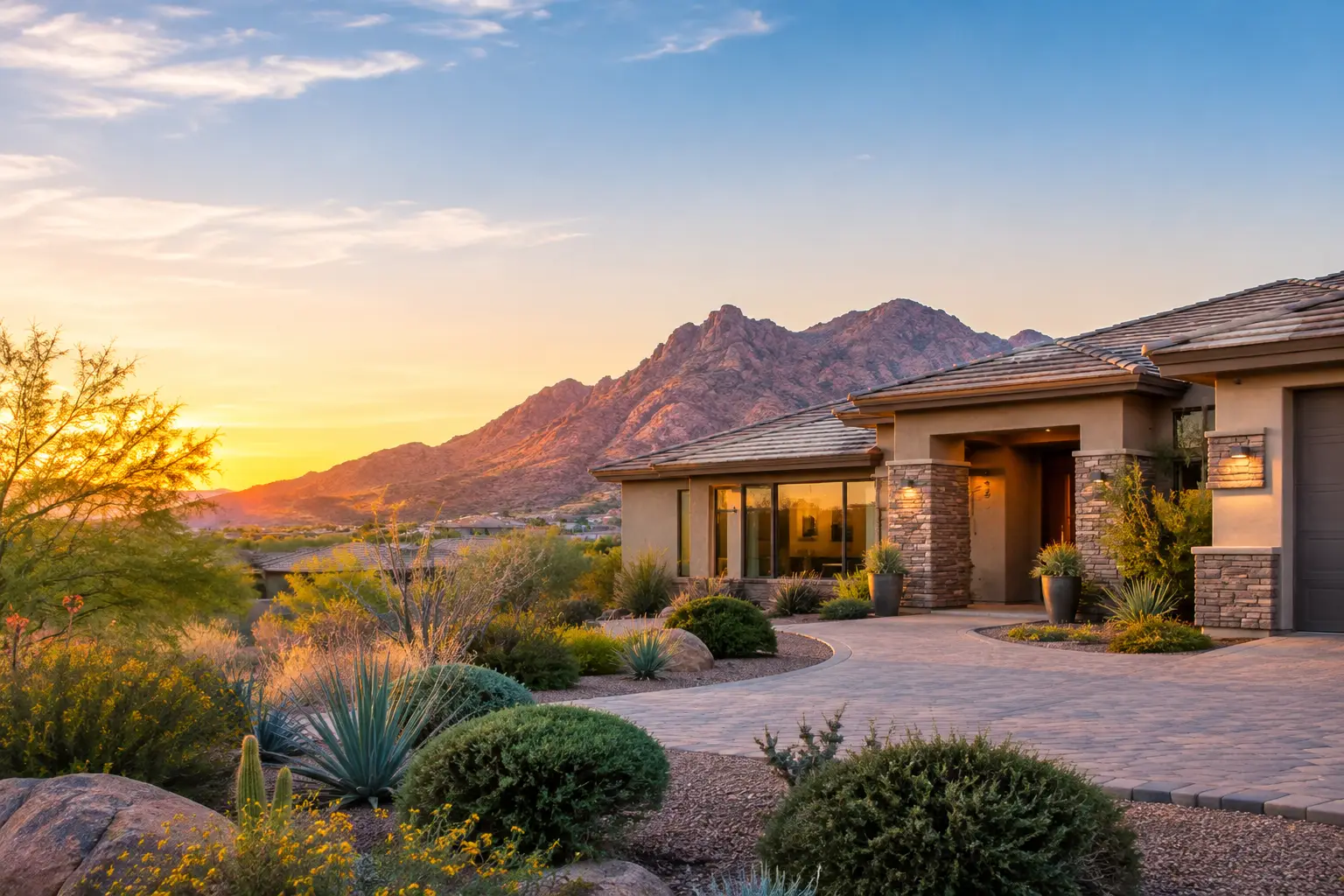

A luxury property can look impeccable at sunset, with the pool lights on and Camelback Mountain or golf-course views beyond the glass. Yet behind the finishes may be a roof nearing the end of its service life, an aging HVAC system working hard in the Arizona heat, or sophisticated automation that no one has properly documented. To navigate luxury home inspections well, buyers need more than a standard report. They need an organized assessment of the home’s systems, specialty features, maintenance history, and long-term ownership considerations.
For a Scottsdale estate, Paradise Valley residence, or custom home in Carefree or Cave Creek, the inspection period is not simply a contingency to clear. It is a meaningful opportunity to understand exactly what you are purchasing and to make decisions with clarity before escrow moves forward.
Why Luxury Home Inspections Require a Different Approach
A conventional home inspection remains the foundation. A qualified inspector evaluates the visible, accessible condition of major components such as roofing, electrical, plumbing, HVAC, structure, insulation, and appliances. But larger and more customized homes often require a broader team of specialists.
A 7,000-square-foot home with multiple HVAC zones, a negative-edge pool, guest casita, solar array, wine room, elevator, whole-home generator, and extensive outdoor living areas contains far more than the systems addressed in a general inspection. Even a newer home can have installation defects, deferred maintenance, or equipment nearing the end of a manufacturer’s expected lifespan.
The goal is not to find a perfect property. Luxury homes are complex assets, and every residence will have maintenance needs. The goal is to identify material conditions, distinguish routine care from significant risk, and understand whether the agreed-upon price appropriately reflects the home’s current condition.
How to Navigate Luxury Home Inspections With the Right Team
Start with an inspector whose experience aligns with the property. A generalist may be well qualified for the primary inspection, but a luxury residence often calls for additional expertise. The right advisory team helps coordinate specialists early enough to preserve your inspection contingency and avoid rushed decisions.
Depending on the home, the inspection plan may include:
- A roof specialist, particularly for foam, tile, flat, or complex roof designs
- A licensed pool and spa professional for equipment, plumbing, surfaces, heaters, automation, and water features
- An HVAC specialist to assess age, performance, zoning, ductwork, and cooling capacity
- A sewer-scope provider, septic professional, or well inspector where applicable
- A specialist for solar, generators, elevators, fireplaces, smart-home controls, security, or commercial-grade appliances
Not every property needs every inspection. A recently constructed home with documented warranties and straightforward systems may require a more focused review. A 20-year-old estate with original equipment, additions, and extensive grounds should be evaluated more comprehensively.
Your inspector should also be comfortable explaining findings in practical terms. A report may list dozens of observations, but buyers need help understanding what requires immediate attention, what should be monitored, and what is simply part of responsible homeownership.
Look Beyond the Main Residence
At the luxury level, value often extends far beyond the main house. Outdoor environments, accessory structures, and lifestyle amenities can represent a substantial portion of the investment.
In Arizona, pay close attention to drainage and grading around the home, especially where hardscape, retaining walls, and desert landscaping meet the foundation. Monsoon storms can expose drainage issues that are not obvious on a clear inspection day. Inspectors should note visible signs of water intrusion, erosion, cracking, or areas where water may collect near the structure.
Pools and spas deserve their own scrutiny. A beautiful pool can involve expensive components: pumps, filters, heaters, chillers, automation panels, plumbing lines, lighting, and surface finishes. Determine not only whether the equipment operates on inspection day, but also its age, condition, and likely replacement horizon. If the property has a negative edge, elaborate water features, or a recently refinished surface, a dedicated pool professional can provide valuable perspective.
Guest houses, detached garages, workshops, sport courts, outdoor kitchens, ramadas, and gates should be included in the inspection scope. Confirm that these spaces are properly permitted when appropriate and that their electrical, plumbing, and mechanical systems are safe and functional. A detached casita may have its own HVAC, water heater, electrical panel, and roof maintenance needs.
Request the Records That Put Findings in Context
Inspection reports show present conditions. Service records provide the story behind them.
Request available invoices, warranties, manuals, remodel documentation, pool service records, roof repairs, HVAC maintenance records, solar agreements, and smart-home system information. For a home with sophisticated integrated technology, ask for a clear inventory of devices, access credentials, service providers, and transfer procedures. Knowing that a system works is helpful. Knowing who installed it, how it is maintained, and whether it can be serviced locally is better.
Documentation also helps buyers assess whether a concern is isolated or part of a recurring pattern. For example, a repaired roof penetration with a detailed invoice and no evidence of ongoing moisture is very different from repeated roof leaks without a clear repair history.
Sellers benefit from this process as well. Organized records can reassure buyers, reduce repetitive questions, and support a smoother negotiation. For high-value homes, preparation signals careful stewardship.
Separate Material Concerns From Maintenance Items
A detailed inspection report can feel overwhelming because it often includes a long list of observations. Resist the urge to treat every item as equal.
Material concerns typically involve safety, water intrusion, structural issues, major system failures, unpermitted work, or conditions likely to require substantial expense soon after closing. These are the findings that may justify further evaluation, repair negotiations, a credit, or a reconsideration of the transaction.
Maintenance items may include worn weatherstripping, minor caulking gaps, aging batteries, adjustment needs, or routine landscaping and irrigation work. They still matter, particularly in a meticulously maintained luxury home, but they do not necessarily indicate a flawed property or an unreasonable seller.
The strongest approach is to obtain estimates from qualified professionals before making requests. This moves the conversation from a broad inspection note to a specific, supportable issue. It also prevents a buyer from overreacting to a recommendation that may be inexpensive or relatively simple to address.
Negotiate for Clarity, Not Perfection
Inspection negotiations should reflect the property, the market, and the significance of the findings. In a competitive luxury market, asking a seller to correct every cosmetic or maintenance item can weaken an otherwise reasonable request. On the other hand, overlooking a compromised roof, failing HVAC equipment, or a substantial pool repair simply because the home is attractive can create an avoidable expense after closing.
There are several ways to resolve legitimate concerns. A seller may complete repairs before closing, provide a credit, reduce the purchase price, or offer documentation showing that an issue has already been professionally addressed. Each option has trade-offs.
A repair can give buyers confidence when it is completed by a qualified contractor and supported by paid invoices and warranties. A credit provides more control, allowing the buyer to select the contractor and oversee the work after closing. A price reduction may be appropriate for larger, clearly quantifiable needs, though it does not place cash in hand for immediate repairs. The best choice depends on timing, lender requirements, the urgency of the condition, and how much control the buyer wants over the solution.
When repairs are agreed upon, define them carefully. “Repair the pool” is not specific enough. The request should identify the relevant defect, the expected professional standard, and the documentation required before closing. A final walk-through is the time to verify that agreed work has been completed and that the property remains in substantially the same condition.
Plan for Ownership Before the Close of Escrow
The inspection period should also shape your first-year ownership plan. Before closing, identify the vendors you may need for pool care, HVAC service, landscaping, pest management, security, and smart-home support. If the residence has a water feature, elevator, generator, solar system, or well, establish the maintenance calendar and expected service costs.
This planning is particularly valuable for relocating buyers. Desert living has its own rhythms: cooling systems deserve attention before peak summer temperatures, roofs should be monitored after significant storms, and irrigation systems need consistent oversight. A home that is well cared for will protect both daily enjoyment and long-term value.
The most successful inspection experience leaves you neither alarmed nor uninformed. It gives you a realistic picture of the residence, a clear path for addressing meaningful concerns, and confidence that the home is ready to support the lifestyle you envision. That is the standard worth carrying into every significant real estate decision.